

1. Ask where the furniture is made
Many interior firms outsource carpentry. A firm with its own workshop controls board quality, edge banding and timelines, and you can inspect work in progress. Ask to visit the workshop; it should be open to customers during working hours.
2. Get the scope in writing, item by item
A good quotation lists each unit with size, plywood grade and thickness, shutter finish, hardware brand and warranty. A single lump-sum number with no details makes comparison impossible and invites disputes later.
3. Check the plywood and hardware
In damp climates such as Ranipet and Vellore, boiling-water-proof (BWP, IS:710) plywood lasts longer in kitchens than ordinary board. Soft-close hinges and drawer runners should be from named manufacturers. Ask to see samples and the brand marking on the board.
4. See completed work and read reviews
Look at photographs of finished work and read recent Google reviews, paying attention to comments about timelines, workers' behaviour and after-sales support. Ask for a nearby completed home you can see, with the owner's permission.
5. Understand payment stages
Payments should be tied to milestones, such as design approval, material delivery and completion, not demanded fully in advance. Keep every receipt.
6. Ask about the timeline and who is on site
Get start and handover dates in writing and ask who supervises the site. Direct access to the owner or lead craftsman reduces miscommunication.
7. Compare apples with apples
When two quotations differ widely, the difference is usually in the board grade, hardware or what is left out. Use our cost calculator and the Tamil Nadu cost guide to sense-check numbers.
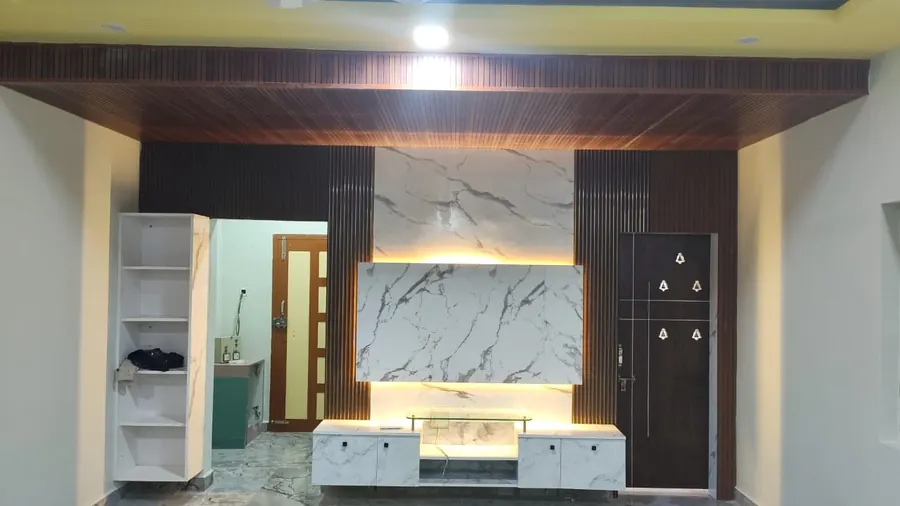
You are welcome to visit our Anandalai workshop, see samples and ask all of these questions.